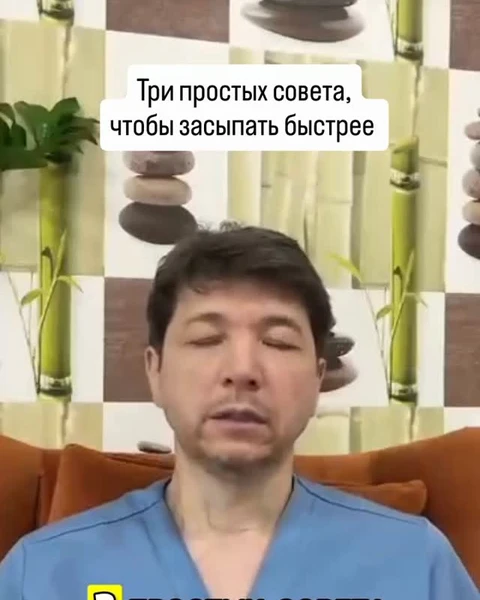

Sleep won't come quickly: three tips from practice and when to get checked
· 2 min read
It's easy to pick up "just breathe and don't think" from reels. In reality, insomnia often sits in the body: breathing, tension, background stress — this shows up in an in-person diagnostic
How it usually goes
Three simple tips help when the disruption is mild. If you've been tossing for hours for weeks and waking up exhausted — tips alone aren't enough
MIR diagnostics shows where the body isn't letting go of "daytime" mode, and the route is built from there
What people come in with
You take a long time to fall asleep, wake up often, and have no energy in the morning. You've tried "routine and warm milk" — the effect was short-lived
If this sounds like you
- Your mind is tired, but sleep won't come
- I wake up at 3–4 and can't fall back asleep
- I don't want to jump straight to strong sleeping pills
How it works
Book an in-person diagnostic → an hour in the office → a clear picture of the body and breathing → then bodywork and/or a session with Gulnara, if a subconscious layer is needed
How to prepare
Two days before your visit, note: what time you go to bed, how much you actually sleep, what bothers you at night. One note is better than a long diary
Frequently asked questions
Is this a replacement for a sleep specialist?
No. For apnea, sudden insomnia after stress, or suicidal thoughts — see a specialist first
Can I just get advice without an appointment?
The product on this page is an in-person diagnostic. Tips from social media don't replace an examination if the problem has lasted for weeks
What are the center's hours?
Monday–Saturday 10:00–20:00. Sunday — closed
Other case studies
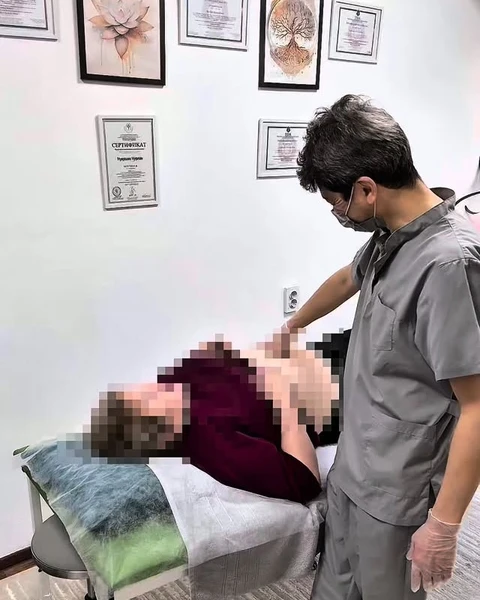 MIR diagnostics: what happens at the first in-person sessionHow the session goes: Nurlan Dzhanakhmetovich examines the body by hand — tension, breathing, where the system is holding stress
 Why diagnostics are done by hand, not just through conversationNurlan Dzhanakhmetovich uses palpation to find tension and trigger points — that's why MIR diagnostics are only in person, in Almaty
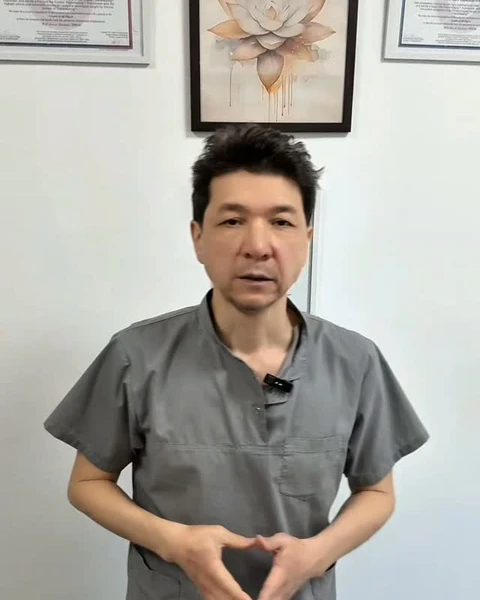 How many visits are needed: what the route depends onThis isn't the reel-style «body+soul» magic — it's a sequence: first find the tension in the body, then work through what's holding the stress from within
 Calm on the outside — constant tension on the insideYou seem calm, but thoughts about the kids, money, and work never switch off. The body reads this as a threat: shoulders, breathing, sleep
 Bloating, heaviness, and anxiety: where treatment starts at HarmonyA stomach that feels like a stone, background anxiety, tiredness with no clear cause — that's the typical starting point. The first step is still an in-person MIR diagnosis, not a set of procedures out of an ad
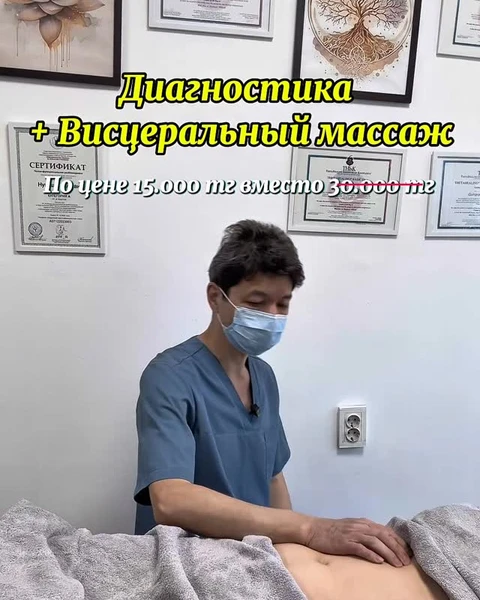 Why diagnose by hand if «everything's already been explained in words»Words describe the complaint. Hands find where the body is holding tension. That's why MIR at Harmony is done in person, never replaced by a call