
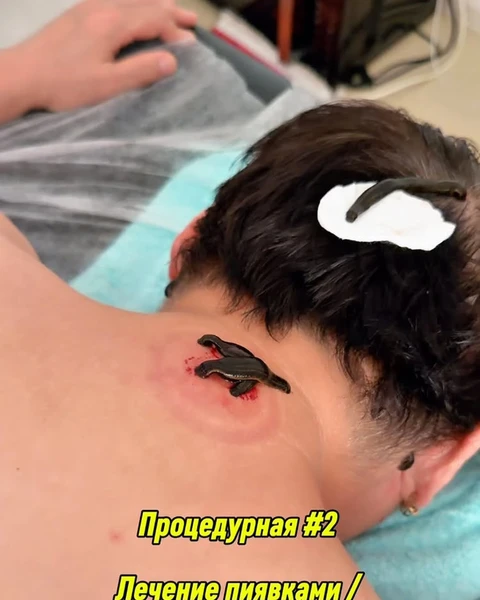

Hirudotherapy in Tibetan medicine: when it's prescribed
· 3 min read
Medical leeches aren't a "folk trick from your feed" — they're a procedure that follows diagnosis. Here's why it comes up at Himalaya, and what always happens first
How it usually goes
On Instagram it's easy to see hirudotherapy out of context. In the clinic, the order is different: first pulse diagnostics, then a decision on whether this procedure is right for you
Tibetan medicine uses hirudotherapy as part of a broader plan, not as a universal answer to any complaint
Who comes to us
You've heard about leeches, seen the videos, but aren't sure if this is really for you or just marketing. You want clarity before booking
If this sounds like you
- It's painful and scary
- Will they suggest it right away, or take a look first?
- My blood is thin — is this still possible for me?
How it works
Book a pulse diagnostics session → the doctor assesses your condition → if hirudotherapy is appropriate, it's discussed as a next step, not bundled into the first visit by default
How to prepare
Let us know at your appointment if you're taking medication that affects blood clotting. Acute infections, pregnancy, anemia — these should be discussed with the relevant doctor first
Frequently asked questions
Can I book hirudotherapy right away?
This page's entry point is pulse diagnostics. Procedures are prescribed after an examination
Does this replace seeing a regular doctor?
No. It's part of the Tibetan approach, not a substitute for conventional medicine in acute conditions
How much does the diagnostics cost?
3,000 ₸ for 30 minutes — fixed price on the booking page
Other case studies
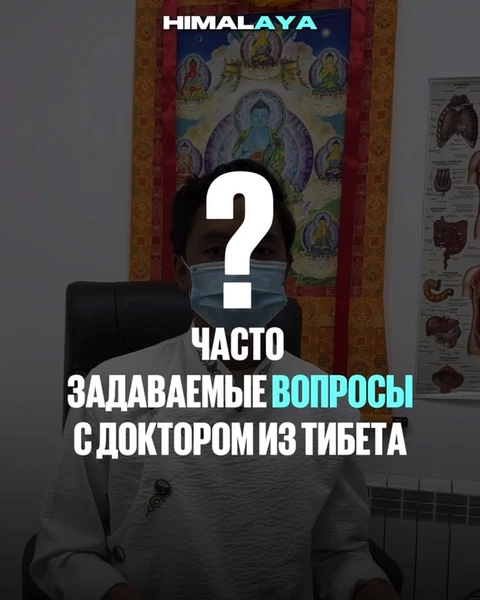 When it makes sense to see a Tibetan doctor, and when it doesn'tA straight answer without the reels-style buildup: which complaints pulse diagnostics actually helps with, and when you need a different specialist first
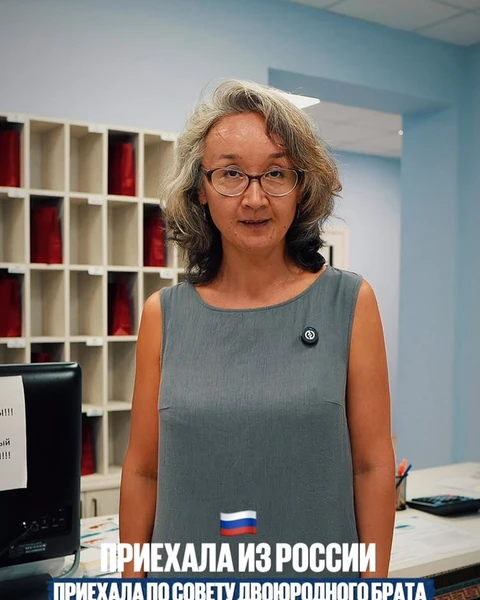 Came from another city: how a Himalaya visit startsA woman traveled to Aktobe specifically — not "just in case," but for pulse diagnostics. Here's what a first visit looks like if you're not a local
 What pulse diagnostics revealsThe doctor reads the pulse at six points and builds a treatment plan without unnecessary "just in case" tests
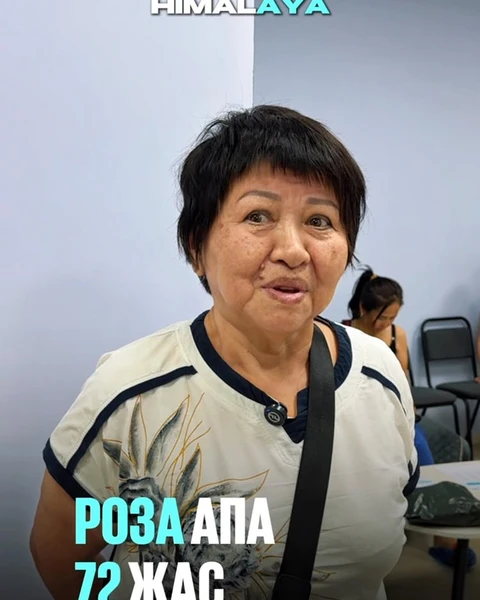 What happens during a first pulse diagnostics sessionHow the visit goes: the doctor checks the pulse, asks clarifying questions, and puts together a plan — what to do next, specifically for you
 Ringing in the ears and numb hands: what brings people to pulse diagnosticsRinging in the ears, tingling in the hands — already exhausting, but you haven't seen a specialist yet. Here's what a first visit with these complaints looks like
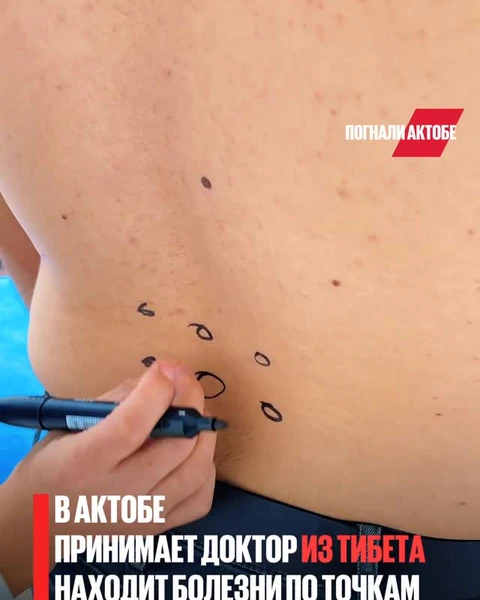 Fatigue and poor sleep with "normal" test resultsYour tests are fine, but you're out of energy and your sleep is broken. Pulse diagnostics doesn't add "one more test" — it looks at how your body is coping right now