


What happens at your first pulse diagnosis
· 3 min read
How the appointment goes: the doctor checks your pulse, asks clarifying questions, and puts together a plan — what to do next, specifically for you
How it usually goes
In your feed it's easy to see a long list: needles, moxa, herbs. On the first visit, something else matters more — figuring out where to start
Pulse diagnosis is exactly about that: first the picture of your body, then the decisions. No promises to "fix everything in one session"
What people come with
People come when they want to understand things before starting a course of treatment: what the pulse shows, how their complaints are connected, and what the sensible next step is
If this is about you
- Afraid they'll just sell you a package of procedures
- I want to understand the cause first, not a bundle of services
- How long does the first appointment actually take?
How it works
You pick a time online → come in for 30 minutes → the doctor performs a pulse diagnosis → you leave with a clear next step. If procedures are needed, they're discussed separately — not pushed on you blindly
How to prepare
Bring a list of your medications if you take any regularly. Try not to be late for the appointment: the window is short, 30 minutes
Frequently asked questions
Does it hurt?
The pulse diagnosis itself is just an examination of the pulse, no injections. Procedures like acupuncture are prescribed separately, if needed
Can I go straight into a course?
That can be discussed after the diagnosis. The examination comes first, so the course has a basis
Who's the practitioner?
Pulse diagnostics are conducted by Dr. Tsevang Gyurme Lama, a Tibetan medicine physician
Other case studies
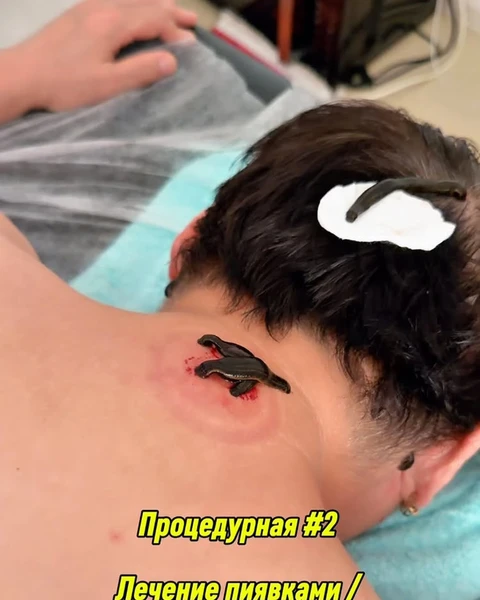 Hirudotherapy in Tibetan medicine: when it's prescribedMedical leeches aren't a "folk trick from your feed" — they're a procedure that follows diagnosis. Here's why they come up at Himalaya, and what always comes first
 When it makes sense to see a Tibetan doctor — and when it doesn'tA straight answer, no reels-style drama: which complaints pulse diagnostics actually help with, and when you need a different specialist first
 Came in from another city: how a first visit at Himalaya startsA woman traveled to Aktobe on purpose — not "just in case," but specifically for pulse diagnostics. Here's what a first visit looks like when you're not local
 What pulse diagnostics revealThe doctor reads the pulse at six points and builds a treatment plan without piling on unnecessary "just in case" tests
 Ringing in the ears and numb hands: what brings people to pulse diagnosticsRinging in the ears, tingling in the hands — it's already wearing you down, but you haven't gotten to a specialist yet. Here's what a first visit with these complaints looks like
 Fatigue and poor sleep despite "normal" test resultsThe tests look fine, but you're out of energy and sleeping poorly. Pulse diagnostics isn't "one more test" — it looks at how your body is coping with the load right now