


Came from another city: where to start at Himalaya
· 3 min read
A woman came to Aktobe specifically — not "just in case," but for a pulse diagnosis. Here's what a first visit looks like when you're not local
How it usually goes
Sometimes a person has already tried local doctors and comes to a Tibetan specialist with a clear intention — like in the story from the office, when a patient came from Russia
The first step is always the same: a 30-minute pulse diagnosis. The doctor builds a picture from the pulse and complaints, without an "everything at once" package
What people come in for
You don't live in Aktobe, but you're ready to come in for an appointment. You want to understand what can realistically be done in one visit and whether it's worth planning several days in the city
If this is about you
- We don't have this back home — I'm coming specifically for it
- I'm worried nothing will get resolved in just one day
- I need an honest plan, not a promotional list of procedures
How it works
Book a pulse diagnosis online → arrive at a convenient time → 30-minute exam → a clear next step: observation, a routine, or prescribed procedures. Confirmation comes via WhatsApp
How to prepare
If you're coming from another city — allow time for travel and don't schedule your visit right up against a train departure. You can bring a list of medications and recent test results, but the exam starts with the pulse
Frequently asked questions
Can I get both diagnosis and procedures in one day?
Diagnosis — yes. Procedures are prescribed after the exam, if needed — they're discussed separately, not decided blindly
How much does the first visit cost?
Pulse diagnosis — 3,000 ₸, about 30 minutes
Are you open on Mondays?
Monday is a day off. Appointments run Tuesday through Sunday — check the calendar on the page for available slots
Other case studies
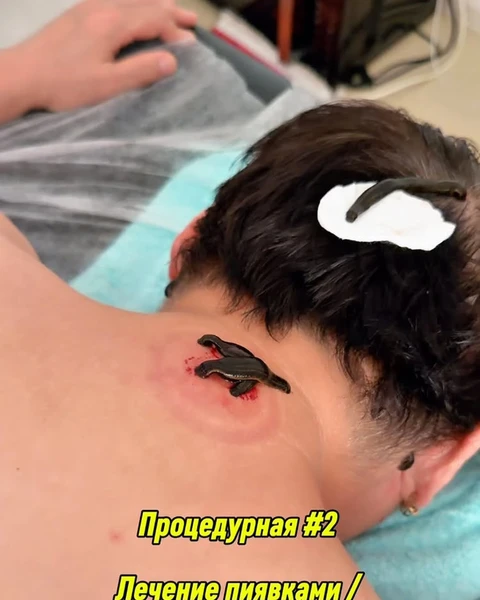 Hirudotherapy in Tibetan medicine: when it's prescribedMedicinal leeches aren't some "folk trick from your feed" — it's a procedure that follows diagnosis. Here's why it comes up at Himalaya, and what always happens first regardless
 When it makes sense to see a Tibetan doctor, and when it doesn'tA straight answer, no dramatics: which complaints pulse diagnosis actually helps with, and when you need a different specialist first
 What pulse diagnosis showsThe doctor reads the pulse at six points and builds a treatment plan without piling on unnecessary tests "just in case"
 What happens at your first pulse diagnosis sessionHow the appointment goes: the doctor checks your pulse, asks clarifying questions, and puts together a plan for what you specifically should do next
 Ringing in the ears and numb hands: what brings people to pulse diagnosisRinging in the ears, tingling in the hands — it's already wearing you down, but you haven't gotten to specialists yet. Here's what a first visit with these complaints looks like
 Fatigue and poor sleep despite "normal" test resultsYour tests are fine, but you're out of energy and your sleep is broken. Pulse diagnosis isn't "one more test" — it looks at how your body is handling the load right now