


Fatigue and poor sleep despite "normal" test results
· 4 min read
The tests are fine, but you have no energy and your sleep is broken. Pulse diagnostics isn't about running "one more test" — it's about seeing how your body is coping with the load right now
How it usually goes
People don't come in with a diagnosis — they come in with a feeling that "everything's supposedly fine, but life feels heavy". Sleep is shallow, mornings bring no reserve, and by afternoon you're reaching for coffee
At Himalaya, the first step is pulse diagnostics: the doctor reads the pulse at specific points and builds a picture without prescribing extra tests "just in case"
What people come in for
Most often people come in with chronic fatigue, restless sleep, and the feeling that "the battery dies by noon". They've already had their tests done — and the results say "everything's fine"
If this sounds like you
- My tests are normal, but I feel wrung out
- I sleep, but I don't wake up rested
- I want to understand where to start, not get handed another batch of pills
How it works
Book a pulse diagnostics session — 30 minutes, 3,000 ₸. Dr. Tsewang Gyurme Lama conducts the examination, explains what he sees in your pulse, and gives you a plan going forward: routine, diet, and, if needed, Tibetan remedies. You'll get your booking confirmation on WhatsApp
How to prepare
Come without being rushed — set aside half an hour. It's worth thinking ahead about what's been bothering you the longest — sleep, energy, pain, digestion. No special preparation or "fasting" is needed for pulse diagnostics
Frequently asked questions
Does this replace seeing a regular doctor?
No. Pulse diagnostics at Himalaya is a complement, not a replacement, for a specialist doctor in acute or severe conditions
How much does the first visit cost?
Pulse diagnostics costs 3,000 ₸ and takes about 30 minutes. Booking is available on this page
Do I need to bring my test results?
Not necessarily. If you already have recent results, you can bring them, but the exam still starts with the pulse
Other case studies
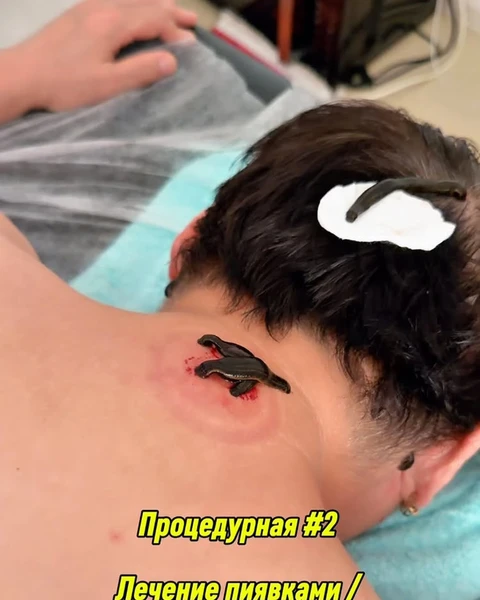 Hirudotherapy in Tibetan medicine: when it's prescribedMedical leeches aren't a "folk trick from your feed" — they're a procedure that follows diagnosis. We explain why it comes up at Himalaya, and what still comes first
 When it makes sense to see a Tibetan doctor, and when it doesn'tA straight answer, no reels drama: which complaints pulse diagnostics can actually help with, and when you need another specialist first
 Came from another city: how a first visit at Himalaya startsA woman came to Aktobe specifically — not "just in case," but for pulse diagnostics. We break down what a first visit looks like if you're not local
 What pulse diagnostics showsThe doctor assesses the pulse at six points and builds a treatment plan without unnecessary "just in case" tests
 What happens at your first pulse diagnostics sessionHow the visit goes: the doctor checks your pulse, asks clarifying questions, and puts together a plan — what you specifically should do next
 Ringing in the ears and numb hands: what brings people to pulse diagnosticsRinging in the ears, tingling in the hands — already unbearable, but you haven't gotten to specialists yet. We break down what a first visit with these complaints looks like