


When it makes sense to see a Tibetan doctor, and when it doesn't
· 3 min read
A straight answer, no reels-style saga: which complaints pulse diagnostics can actually help with, and when you need a different specialist first
How it usually goes
On social media it's easy to drown in a stream of 'the doctor answered your questions' posts. On the booking page you need a clear filter: who this is for, and who should go elsewhere
In short: chronic fatigue, sleep issues, a body that 'won't hold up' — a reasonable reason for pulse diagnostics. Acute pain, injury, high fever, sudden weakness on one side of the body — get emergency or specialist care first
What people come in with
They're unsure: 'is this for me or just marketing?' They want criteria before booking, not another teaser
This is for you if
- I don't understand how you're different from a regular clinic
- I already have a doctor — why do I need another exam?
- I'm afraid of wasting time
How it works
If your complaints are more about energy, sleep, or a chronic underlying state — book an online pulse diagnostic. If the picture is acute — see a specialist first. At the appointment the doctor will tell you honestly where the Tibetan approach fits
How to prepare
Put your one main complaint into a single sentence. That makes it easier to tell on the spot whether this is the right path for you
Most common questions
Can this be combined with treatment from my regular doctor?
Yes, that's common: a Tibetan exam as an additional perspective, without dropping the other doctor's prescriptions
Are you open on Mondays?
Monday is a day off. Appointments run Tuesday through Sunday — exact time slots are in the calendar on this page
Where are you located?
Aktobe, 11 Mangilik El Street (Altyn Orda). The address is also in the contact block on the booking page
Other case studies
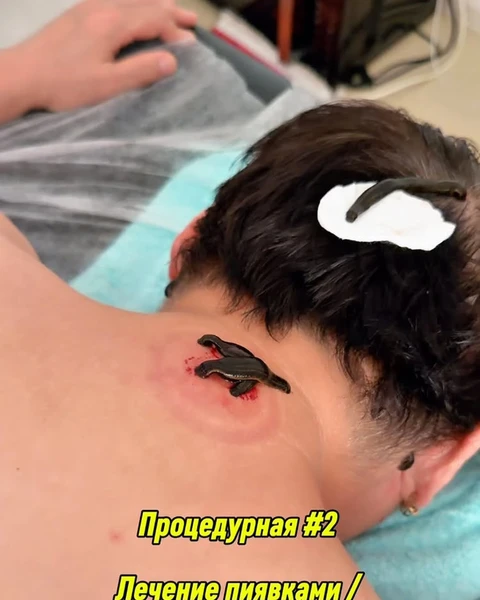 Hirudotherapy in Tibetan medicine: when it's prescribedMedical leeches aren't a "folk trick from your feed" — they're a procedure that follows diagnosis. We explain why they come up at Himalaya, and what still comes first
 Came from another city: where Himalaya startsA woman traveled to Aktobe specifically — not "just in case," but for pulse diagnostics. We break down what a first visit looks like when you're not local
 What pulse diagnostics revealsThe doctor reads the pulse at six points and builds a treatment plan without unnecessary "just in case" tests
 What happens at your first pulse diagnostics sessionHow the appointment goes: the doctor checks your pulse, asks clarifying questions, and builds a plan — what to do next, specifically for you
 Ringing in the ears and numb hands: what brings people to pulse diagnosticsRinging in the ears, tingling in the hands — it's already wearing you down, but you haven't gotten to specialists yet. We break down what a first visit with these complaints looks like
 Fatigue and poor sleep with "normal" test resultsYour tests are fine, but you have no energy and broken sleep. Pulse diagnostics doesn't look for "one more test" — it looks at how your body is coping with strain right now