


Tinnitus and numb hands: what brings people to pulse diagnostics
· 3 min read
Ringing in the ears, tingling in the hands — it's already wearing you down, but you haven't yet made it to a specialist. Here's what a first visit with these complaints looks like
How it usually goes
A typical starting point: the symptoms are getting in the way of life, but the person doesn't want to jump straight into a round of tests with no clear thread to follow
This case from the clinic involves someone who came in with tinnitus and numbness in the hands. The starting point was pulse diagnostics, not a whole bundle of tests at once
What brings people in
People come in with ringing in the ears, numbness or heaviness in the hands, a sense that the body is "signaling" something, without any clarity on what
If this sounds like you
- Tinnitus for several months now
- Hands going numb, especially by evening
- I don't want to start with ten directions at once
How it works
On the booking page, choose pulse diagnostics → a 30-minute appointment → the doctor builds a picture from the pulse and your complaints → then a plan follows: observation, a routine, or prescribed procedures
How to prepare
Note when the ringing is stronger — morning, evening, after exertion. This helps connect the complaints faster during the examination
Frequently asked questions
What if it's from an ENT issue?
In cases of sudden hearing loss, severe pain, or injury — see a specialist first. Tibetan diagnostics is not a substitute for emergency care
How many visits are needed?
The first visit is for diagnostics. The number of next steps depends on the overall picture, not on a preset "monthly package"
Is there a discount for the first appointment?
The price for a pulse diagnosis on this page is fixed — 3,000 ₸. We don't invent separate discounts
Other case studies
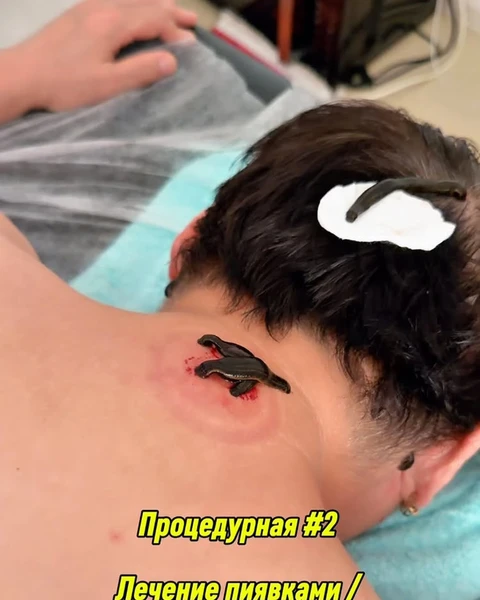 Hirudotherapy in Tibetan medicine: when it's prescribedMedicinal leeches aren't a "folk trick from your feed" — it's a procedure that follows diagnosis. We explain why it comes up at Himalaya, and what people actually start with
 When it makes sense to see a Tibetan doctor, and when it doesn'tA direct answer, no reels drama: which complaints pulse diagnosis actually helps with, and when you need a different specialist first
 She came from another city: how a first visit to Himalaya startsA woman came to Aktobe on purpose — not "just in case," but specifically for pulse diagnosis. Here's what a first visit looks like when you're not local
 What pulse diagnosis showsThe doctor reads the pulse at six points and builds a treatment plan without piling on unnecessary "just in case" tests
 What happens at your first pulse diagnosis appointmentHow the visit goes: the doctor checks your pulse, asks clarifying questions, and puts together a plan — what you specifically should do next
 Fatigue and poor sleep despite "normal" test resultsYour tests are fine, but you're out of energy and sleeping poorly. Pulse diagnosis doesn't add "one more test" — it looks at how your body is coping with the load right now